
Dental Filling
It occurs first very slowly, then all at once - Ernest Hemmingway, an American journalist and major inspiration for 20th century literature. Like bankruptcy, tooth decay progresses the same way. The main goal of a dental filling is to solve the problem while it’s still minute. Tooth decays will sometimes give you the proper symptoms including but not limited to mild sensitivity, rough edges, and bad breath. While cavities itself is not a major issue, it is a sign of deeper and more serious issues down the line which can easily be mitigated with dental fillings. If left untreated, the bacteria will eat into the deeper layers of the tooth and eventually the pulp which is where severe and/or constant pain arises. Fillings are designed to stop that progression while restoring the tooth structure and function before they lose any. At KSV Dental, we see dental fillings as not just a preventive procedure but as an investment in order to avoid spending much more time and money when a more severe issue pops up.
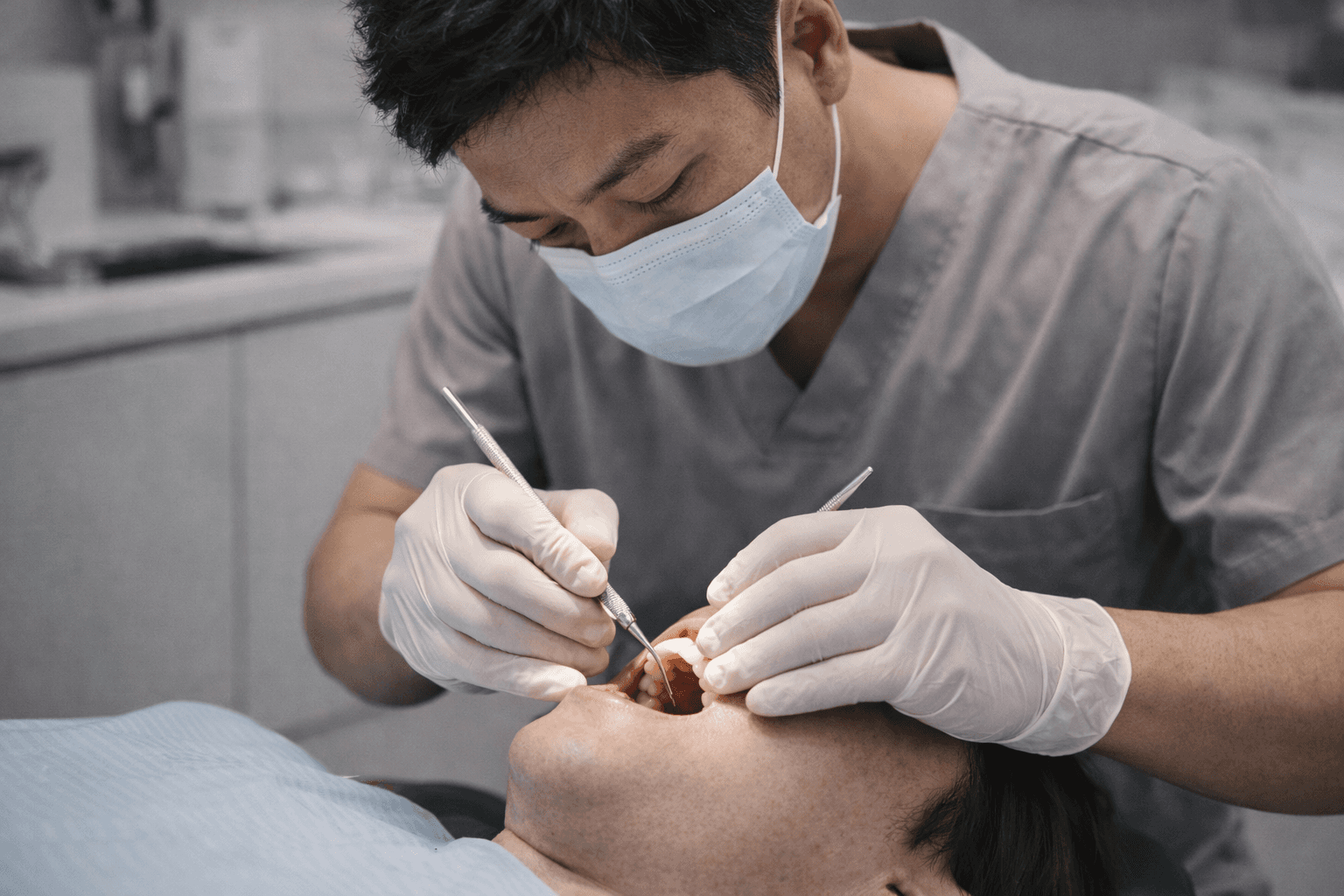
Fillings: Addressing Small Problems Before They Become Bigger Ones
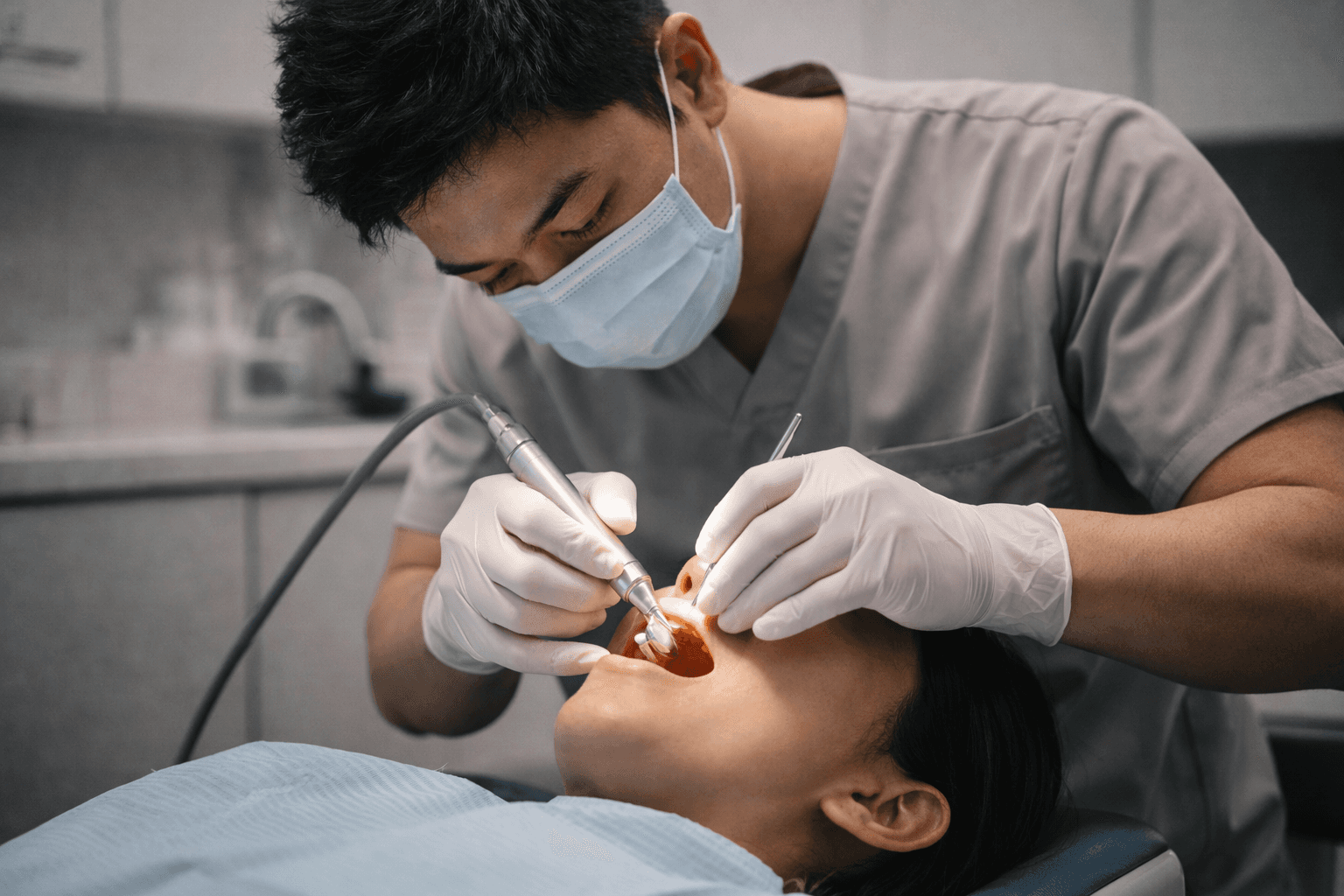
It occurs first very slowly, then all at once - Ernest Hemmingway, an American journalist and major inspiration for 20th century literature.
Like bankruptcy, tooth decay progresses the same way. The main goal of a dental filling is to solve the problem while it’s still minute. Tooth decays will sometimes give you the proper symptoms including but not limited to mild sensitivity, rough edges, and bad breath.
While cavities itself is not a major issue, it is a sign of deeper and more serious issues down the line which can easily be mitigated with dental fillings. If left untreated, the bacteria will eat into the deeper layers of the tooth and eventually the pulp which is where severe and/or constant pain arises.
Fillings are designed to stop that progression while restoring the tooth structure and function before they lose any. At KSV Dental, we see dental fillings as not just a preventive procedure but as an investment in order to avoid spending much more time and money when a more severe issue pops up.
Understanding When a Filling Is Needed
A filling is recommended when part of the tooth has been compromised in a way that the structure is deemed sound by the dentist.
Common reasons include:
Lack of hygiene which leads to trapped food debris
Chipping
Toothbrush abrasion
Acidic erosion from multiple causes
Wear and tear of old fillings
Before treatment, the dentist will evaluate the cavity from the following aspects :
History / Habit
Signs and symptoms
Clinical examination
Para-clinical examination
After evaluation, the dentist will determine whether the dental filling is safe and has good predictability in the future.
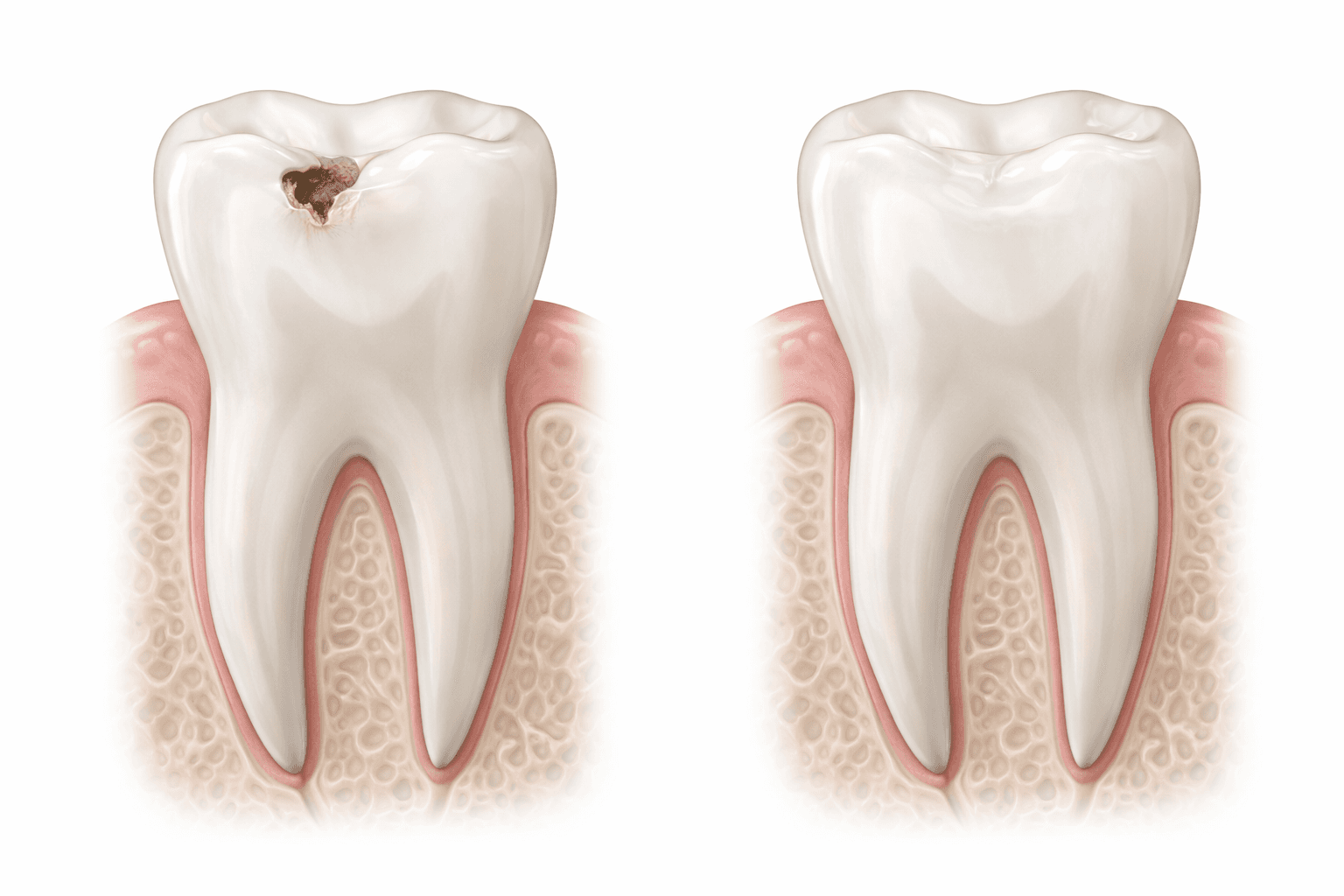
Composite Fillings: Where Aesthetics and Biology Harmonize
Composite fillings are tooth-colored materials designed to blend with the surrounding tooth structure. They are commonly used for both front and back teeth when conditions allow.
These fillings are shaped and polished carefully to:
Restore the tooth’s original form
Maintain a natural appearance
Restore Functions
Composite fillings are often chosen for their versatility and aesthetic result, especially in visible areas.
Fissure Sealants: A Huge Favor For Your Kids
Contrary to popular beliefs, the human teeth contain very very narrow grooves that aid in effectively breaking down food by mechanical means. At the same time, those grooves are also where food debris can get stuck overnight if not hours. It can be difficult to clean given the maturity of younger patients.
Sealants act as a protective barrier, effectively sealing the grooves while retaining the efficacy of breaking down food. They are also recommended for adults of whom the fissures are deep and prone to cavities.
A Fissure Sealant can mitigate most future dental fillings needed when occlusal cavities are present in the first place.
What the Filling Process Feels Like
A majority of filling cases are done without any need for anesthesia. If the cavity is shallow enough, the whole process can be done in 5 minutes.
Longevity and Care After Fillings
The lifespan of a filling depends on factors such as size, location, and daily habits. Regular dental checkups allow fillings to be monitored and maintained before issues arise.
Patients are advised on proper care so restorations remain stable and functional.
A Measured, Honest Approach to Routine Care
At KSV Dental, fillings are recommended only when they are needed and only to the extent required to protect the tooth.
Small problems are addressed early to prevent larger ones. Options are explained clearly, without pressure. Treatment is kept practical and proportionate.
If you’ve noticed discomfort, sensitivity, or changes in a tooth, addressing it now is often the simplest path forward before it becomes something harder to ignore.
Fillings: Addressing Small Problems Before They Become Bigger Ones
It occurs first very slowly, then all at once - Ernest Hemmingway, an American journalist and major inspiration for 20th century literature.
Like bankruptcy, tooth decay progresses the same way. The main goal of a dental filling is to solve the problem while it’s still minute. Tooth decays will sometimes give you the proper symptoms including but not limited to mild sensitivity, rough edges, and bad breath.
While cavities itself is not a major issue, it is a sign of deeper and more serious issues down the line which can easily be mitigated with dental fillings. If left untreated, the bacteria will eat into the deeper layers of the tooth and eventually the pulp which is where severe and/or constant pain arises.
Fillings are designed to stop that progression while restoring the tooth structure and function before they lose any. At KSV Dental, we see dental fillings as not just a preventive procedure but as an investment in order to avoid spending much more time and money when a more severe issue pops up.
Understanding When a Filling Is Needed
A filling is recommended when part of the tooth has been compromised in a way that the structure is deemed sound by the dentist.
Common reasons include:
Lack of hygiene which leads to trapped food debris
Chipping
Toothbrush abrasion
Acidic erosion from multiple causes
Wear and tear of old fillings
Before treatment, the dentist will evaluate the cavity from the following aspects :
History / Habit
Signs and symptoms
Clinical examination
Para-clinical examination
After evaluation, the dentist will determine whether the dental filling is safe and has good predictability in the future.
Composite Fillings: Where Aesthetics and Biology Harmonize
Composite fillings are tooth-colored materials designed to blend with the surrounding tooth structure. They are commonly used for both front and back teeth when conditions allow.
These fillings are shaped and polished carefully to:
Restore the tooth’s original form
Maintain a natural appearance
Restore Functions
Composite fillings are often chosen for their versatility and aesthetic result, especially in visible areas.
Fissure Sealants: A Huge Favor For Your Kids
Contrary to popular beliefs, the human teeth contain very very narrow grooves that aid in effectively breaking down food by mechanical means. At the same time, those grooves are also where food debris can get stuck overnight if not hours. It can be difficult to clean given the maturity of younger patients.
Sealants act as a protective barrier, effectively sealing the grooves while retaining the efficacy of breaking down food. They are also recommended for adults of whom the fissures are deep and prone to cavities.
A Fissure Sealant can mitigate most future dental fillings needed when occlusal cavities are present in the first place.
What the Filling Process Feels Like
A majority of filling cases are done without any need for anesthesia. If the cavity is shallow enough, the whole process can be done in 5 minutes.
Longevity and Care After Fillings
The lifespan of a filling depends on factors such as size, location, and daily habits. Regular dental checkups allow fillings to be monitored and maintained before issues arise.
Patients are advised on proper care so restorations remain stable and functional.
A Measured, Honest Approach to Routine Care
At KSV Dental, fillings are recommended only when they are needed and only to the extent required to protect the tooth.
Small problems are addressed early to prevent larger ones. Options are explained clearly, without pressure. Treatment is kept practical and proportionate.
If you’ve noticed discomfort, sensitivity, or changes in a tooth, addressing it now is often the simplest path forward before it becomes something harder to ignore.
More Service
More Service
Other specific dental treatments we offer
Other specific dental treatments we offer



Opening Hours
Monday - Friday
08:30AM - 12:00PM, 01:00PM - 6:00PM
Saturday
08:00AM - 12:00PM, 01:00PM - 6:00PM
Sunday
08:00AM - 02:00PM
Service Location
Opening Hours
Monday - Friday
08:30AM - 12:00PM, 01:00PM - 6:00PM
Saturday
08:00AM - 12:00PM, 01:00PM - 6:00PM
Sunday
08:00AM - 02:00PM
Service Location
Opening Hours
Monday - Friday
08:30AM - 12:00PM, 01:00PM - 6:00PM
Saturday
08:00AM - 12:00PM, 01:00PM - 6:00PM
Sunday
08:00AM - 02:00PM
Service Location