
Dental Implant
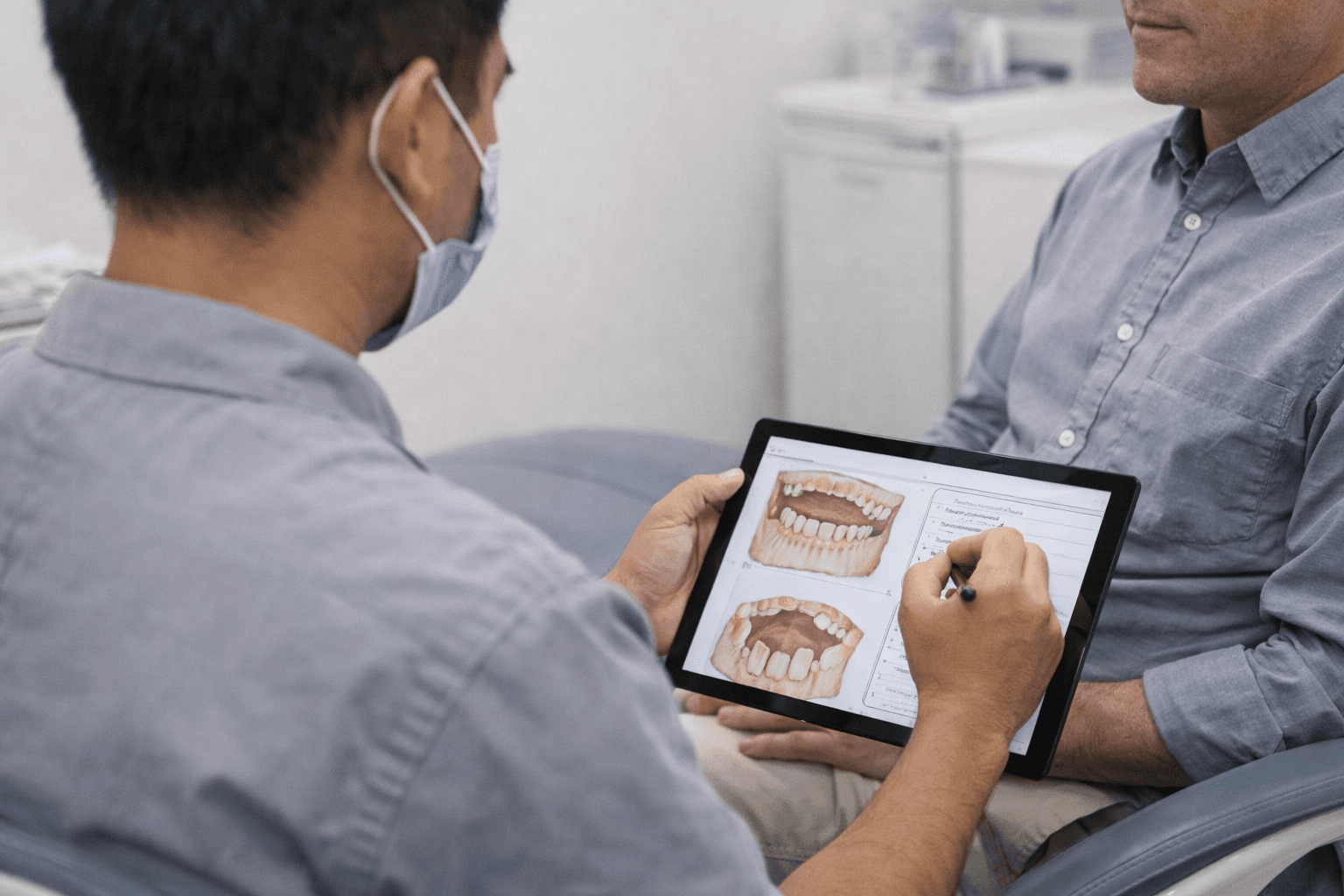
Losing a tooth isn’t just a cosmetic issue. For many patients, it affects how they eat, speak, and go about their day with confidence. Over time, a missing tooth can also place extra strain on the surrounding teeth and jaw. Dental implants are a reliable way to replace a missing tooth with a solution that feels stable and functions naturally. At our clinic, implant treatment is approached carefully with clear explanations, realistic timelines, and no pressure to proceed until you’re comfortable.
What Is a Single-Tooth Dental Implant?
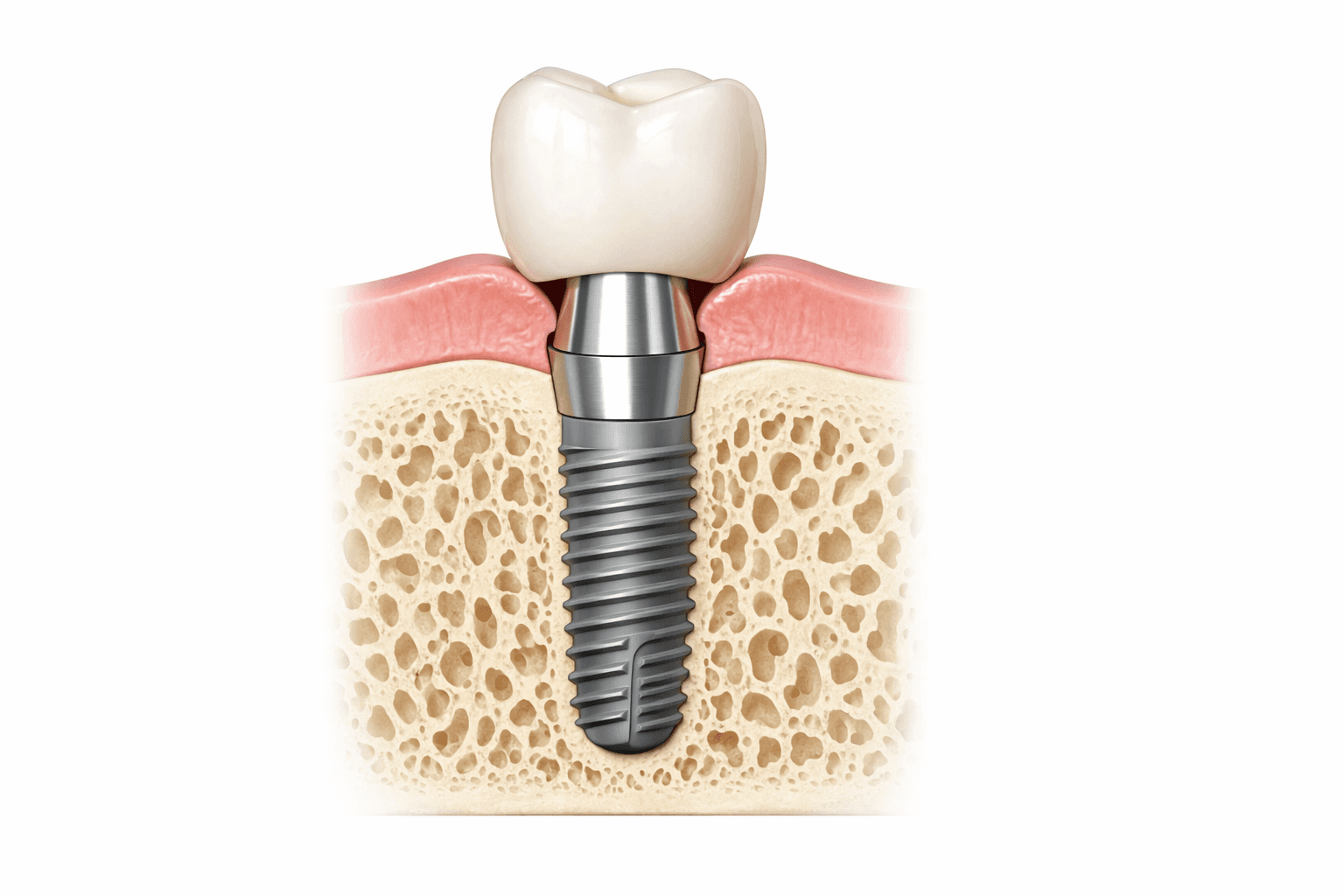
A single-tooth implant replaces both the visible tooth and its root. This is what makes it different from removable options or traditional bridges.
The implant itself is a small titanium post placed into the jawbone. Over time, the bone naturally bonds with the implant, creating a stable foundation. Once healing is complete, a custom crown is placed on top to restore function and appearance.
The result is a replacement tooth that looks natural, feels secure, and does not rely on neighboring teeth for support.
Why Many Patients Choose Implants Over Other Options
For patients missing a single tooth, implants are often chosen because they are stable, long-lasting, and conservative.
Key benefits include:
A fixed solution that does not move when eating or speaking
No need to alter healthy neighboring teeth
A natural look and feel once restored
Support for long-term jawbone health
Most importantly, implants allow patients to return to daily activities without constantly being reminded of the missing tooth.
A Clear, Step-by-Step Process
Dental implant treatment is not rushed. Each stage is planned so you know what to expect before anything begins.
1. Consultation & Assessment
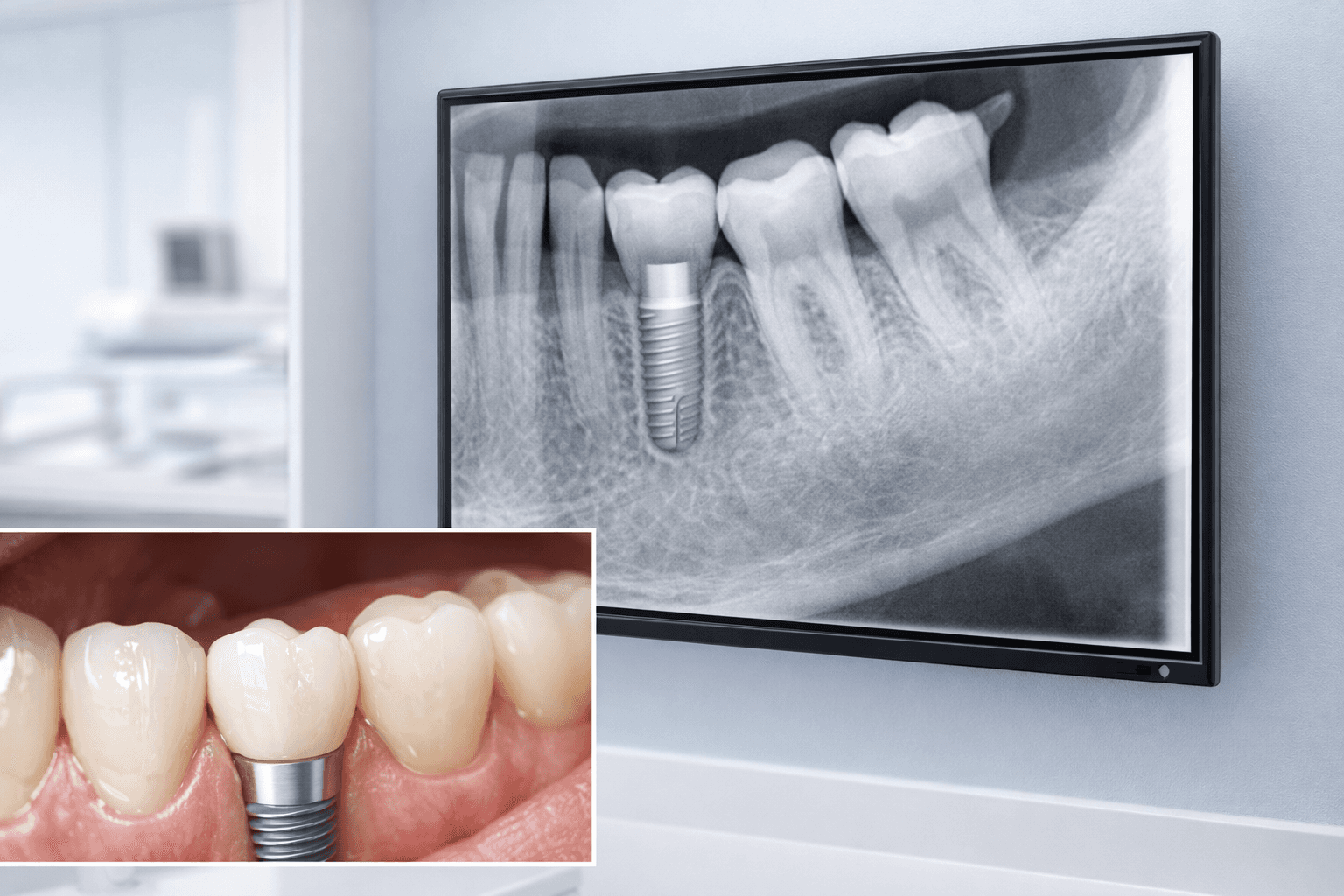
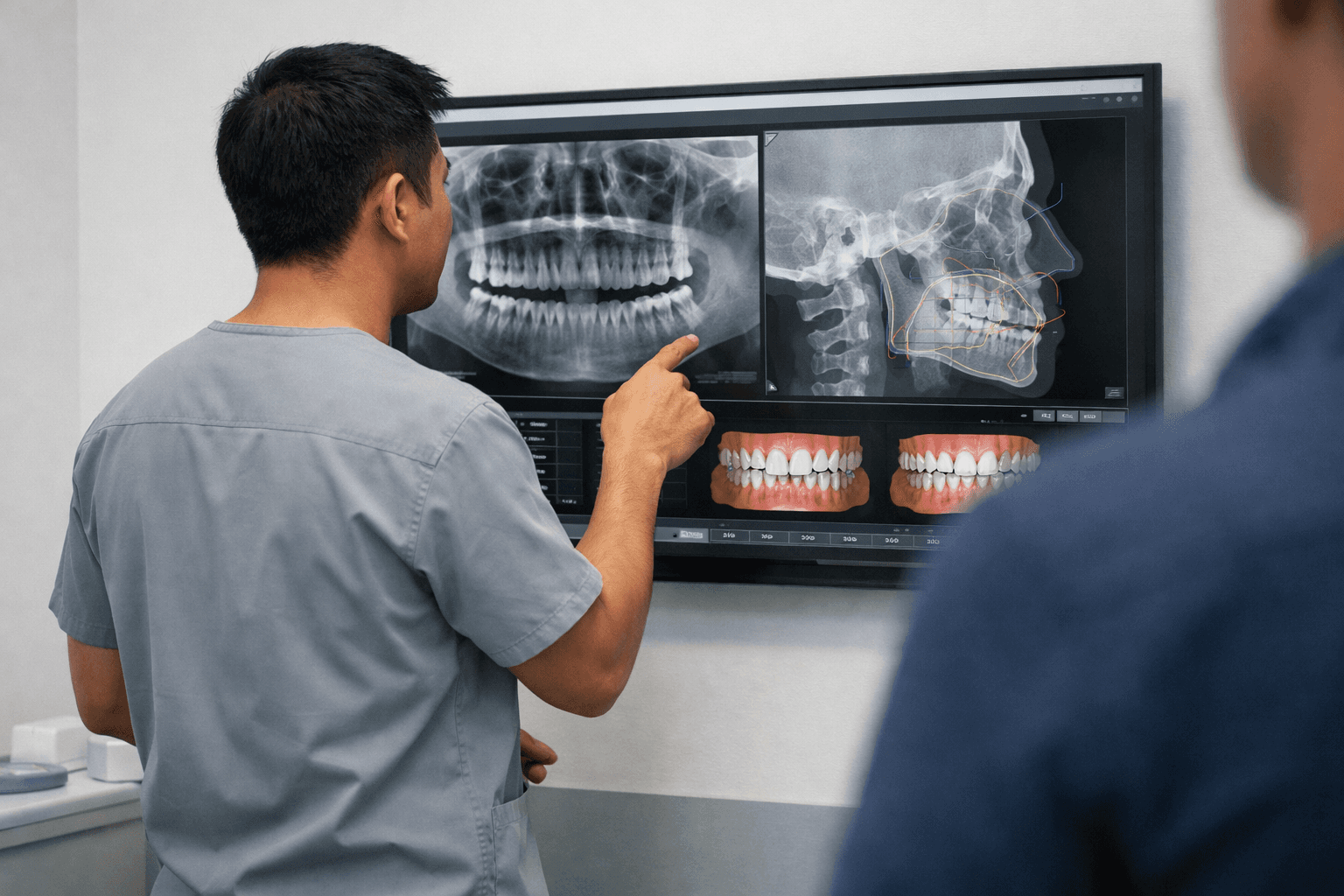
Your first visit focuses on understanding your situation. We examine the area, review your dental history, and use imaging when needed to assess bone condition.
At this stage, we explain:
Whether an implant is appropriate
The expected timeline
Available implant system options
Clear pricing before moving forward
No treatment is started without your agreement.
Image suggestion:
• X-ray or scan image displayed on a screen
2. Implant Placement
If you decide to proceed, the implant is placed in a controlled and precise procedure. This is done using modern equipment to ensure accuracy and minimize disruption to surrounding tissue.
Most patients are surprised by how manageable this step feels. The focus is on proper placement so healing can progress smoothly.
3. Healing & Integration
After placement, the implant needs time to integrate with the bone. This healing phase is what provides long-term stability.
During this period:
Daily routines can usually resume quickly
Follow-up visits are scheduled to monitor progress
Recovery is steady, not rushed
We plan timelines realistically so you’re not left guessing.
4. Crown Placement
Once healing is complete, a custom crown is placed on the implant. This crown is designed to match your natural teeth in shape and color, restoring normal function.
At this point, the implant functions like a natural tooth.
Implant System Options & Pricing Transparency
Not every dental implant is the same. Different systems exist to suit different clinical needs, preferences, and budgets. During your consultation, we explain the differences clearly so you can make an informed decision — without being pushed toward an option you don’t need.
EBI Implant System (Korea)
The EBI system is a reliable implant option that has been widely used in clinical practice. It is often chosen for straightforward single-tooth replacement cases where bone conditions are favorable.
Patients who choose this system typically value:
A proven, functional implant solution
A more cost-conscious option
Predictable results for standard implant cases
When appropriate, the EBI system offers a practical balance between performance and affordability, without compromising treatment integrity.
TRI Implant System (Switzerland)
The TRI system is a premium implant option manufactured in Switzerland, designed with a strong focus on precision and long-term stability.
This system may be recommended in cases where:
Bone quality requires higher precision
Long-term durability is a priority
Patients prefer a premium implant option
We explain when this system makes sense clinically, and when it doesn’t. Choosing a higher-end implant is never presented as a default — only as an option when it offers a real benefit for your situation.
Crown and Bridge on Implants
The implant itself is only part of the solution. The visible portion — the crown or bridge — is what restores daily function and appearance.
Once the implant has fully integrated with the bone, a custom-made crown or bridge is placed on top. This restoration is designed to:
Match the surrounding teeth in shape and color
Restore comfortable chewing and speaking
Sit securely without movement
For patients missing more than one tooth, an implant-supported bridge can restore function without placing strain on natural teeth. Each restoration is planned carefully to ensure balance, comfort, and longevity.
Image suggestion:
• Close-up of crown or bridge restoration
• Neutral lighting, no exaggerated “before/after”
Choosing the Right Option
There is no single “best” implant system for everyone. The right choice depends on clinical needs, long-term goals, and budget considerations.
Our role is to explain:
Which options are suitable for your condition
Why one system may be recommended over another
What to expect in terms of healing, longevity, and cost
You decide how to proceed — with clear information and no pressure.
What About Recovery and Downtime?
Recovery is a common concern. Most patients can return to normal daily activities shortly after the procedure, with specific guidelines provided to support healing.
The goal is not speed for the sake of speed — it’s predictable healing and long-term success. We prioritize proper integration so the implant remains stable for years to come.
Is a Dental Implant Right for You?
Single-tooth implants are suitable for many patients, but the right choice depends on individual factors. A consultation allows us to evaluate your situation and walk you through your options clearly.
If you’re considering an implant and want straightforward answers — without sales pressure — we encourage you to schedule a consultation.
What Is a Single-Tooth Dental Implant?
A single-tooth implant replaces both the visible tooth and its root. This is what makes it different from removable options or traditional bridges.
The implant itself is a small titanium post placed into the jawbone. Over time, the bone naturally bonds with the implant, creating a stable foundation. Once healing is complete, a custom crown is placed on top to restore function and appearance.
The result is a replacement tooth that looks natural, feels secure, and does not rely on neighboring teeth for support.
Why Many Patients Choose Implants Over Other Options
For patients missing a single tooth, implants are often chosen because they are stable, long-lasting, and conservative.
Key benefits include:
A fixed solution that does not move when eating or speaking
No need to alter healthy neighboring teeth
A natural look and feel once restored
Support for long-term jawbone health
Most importantly, implants allow patients to return to daily activities without constantly being reminded of the missing tooth.
A Clear, Step-by-Step Process
Dental implant treatment is not rushed. Each stage is planned so you know what to expect before anything begins.
1. Consultation & Assessment
Your first visit focuses on understanding your situation. We examine the area, review your dental history, and use imaging when needed to assess bone condition.
At this stage, we explain:
Whether an implant is appropriate
The expected timeline
Available implant system options
Clear pricing before moving forward
No treatment is started without your agreement.
Image suggestion:
• X-ray or scan image displayed on a screen
2. Implant Placement
If you decide to proceed, the implant is placed in a controlled and precise procedure. This is done using modern equipment to ensure accuracy and minimize disruption to surrounding tissue.
Most patients are surprised by how manageable this step feels. The focus is on proper placement so healing can progress smoothly.
3. Healing & Integration
After placement, the implant needs time to integrate with the bone. This healing phase is what provides long-term stability.
During this period:
Daily routines can usually resume quickly
Follow-up visits are scheduled to monitor progress
Recovery is steady, not rushed
We plan timelines realistically so you’re not left guessing.
4. Crown Placement
Once healing is complete, a custom crown is placed on the implant. This crown is designed to match your natural teeth in shape and color, restoring normal function.
At this point, the implant functions like a natural tooth.
Implant System Options & Pricing Transparency
Not every dental implant is the same. Different systems exist to suit different clinical needs, preferences, and budgets. During your consultation, we explain the differences clearly so you can make an informed decision — without being pushed toward an option you don’t need.
EBI Implant System (Korea)
The EBI system is a reliable implant option that has been widely used in clinical practice. It is often chosen for straightforward single-tooth replacement cases where bone conditions are favorable.
Patients who choose this system typically value:
A proven, functional implant solution
A more cost-conscious option
Predictable results for standard implant cases
When appropriate, the EBI system offers a practical balance between performance and affordability, without compromising treatment integrity.
TRI Implant System (Switzerland)
The TRI system is a premium implant option manufactured in Switzerland, designed with a strong focus on precision and long-term stability.
This system may be recommended in cases where:
Bone quality requires higher precision
Long-term durability is a priority
Patients prefer a premium implant option
We explain when this system makes sense clinically, and when it doesn’t. Choosing a higher-end implant is never presented as a default — only as an option when it offers a real benefit for your situation.
Crown and Bridge on Implants
The implant itself is only part of the solution. The visible portion — the crown or bridge — is what restores daily function and appearance.
Once the implant has fully integrated with the bone, a custom-made crown or bridge is placed on top. This restoration is designed to:
Match the surrounding teeth in shape and color
Restore comfortable chewing and speaking
Sit securely without movement
For patients missing more than one tooth, an implant-supported bridge can restore function without placing strain on natural teeth. Each restoration is planned carefully to ensure balance, comfort, and longevity.
Image suggestion:
• Close-up of crown or bridge restoration
• Neutral lighting, no exaggerated “before/after”
Choosing the Right Option
There is no single “best” implant system for everyone. The right choice depends on clinical needs, long-term goals, and budget considerations.
Our role is to explain:
Which options are suitable for your condition
Why one system may be recommended over another
What to expect in terms of healing, longevity, and cost
You decide how to proceed — with clear information and no pressure.
What About Recovery and Downtime?
Recovery is a common concern. Most patients can return to normal daily activities shortly after the procedure, with specific guidelines provided to support healing.
The goal is not speed for the sake of speed — it’s predictable healing and long-term success. We prioritize proper integration so the implant remains stable for years to come.
Is a Dental Implant Right for You?
Single-tooth implants are suitable for many patients, but the right choice depends on individual factors. A consultation allows us to evaluate your situation and walk you through your options clearly.
If you’re considering an implant and want straightforward answers — without sales pressure — we encourage you to schedule a consultation.
More Service
More Service
Other specific dental treatments we offer
Other specific dental treatments we offer

Opening Hours
Monday - Friday
08:30AM - 12:00PM, 01:00PM - 6:00PM
Saturday
08:00AM - 12:00PM, 01:00PM - 6:00PM
Sunday
08:00AM - 02:00PM
Service Location
Opening Hours
Monday - Friday
08:30AM - 12:00PM, 01:00PM - 6:00PM
Saturday
08:00AM - 12:00PM, 01:00PM - 6:00PM
Sunday
08:00AM - 02:00PM
Service Location
Opening Hours
Monday - Friday
08:30AM - 12:00PM, 01:00PM - 6:00PM
Saturday
08:00AM - 12:00PM, 01:00PM - 6:00PM
Sunday
08:00AM - 02:00PM
Service Location